
Fat Transfer (Male)
Natural volume

Repositioning fat to enhance and define the male physique
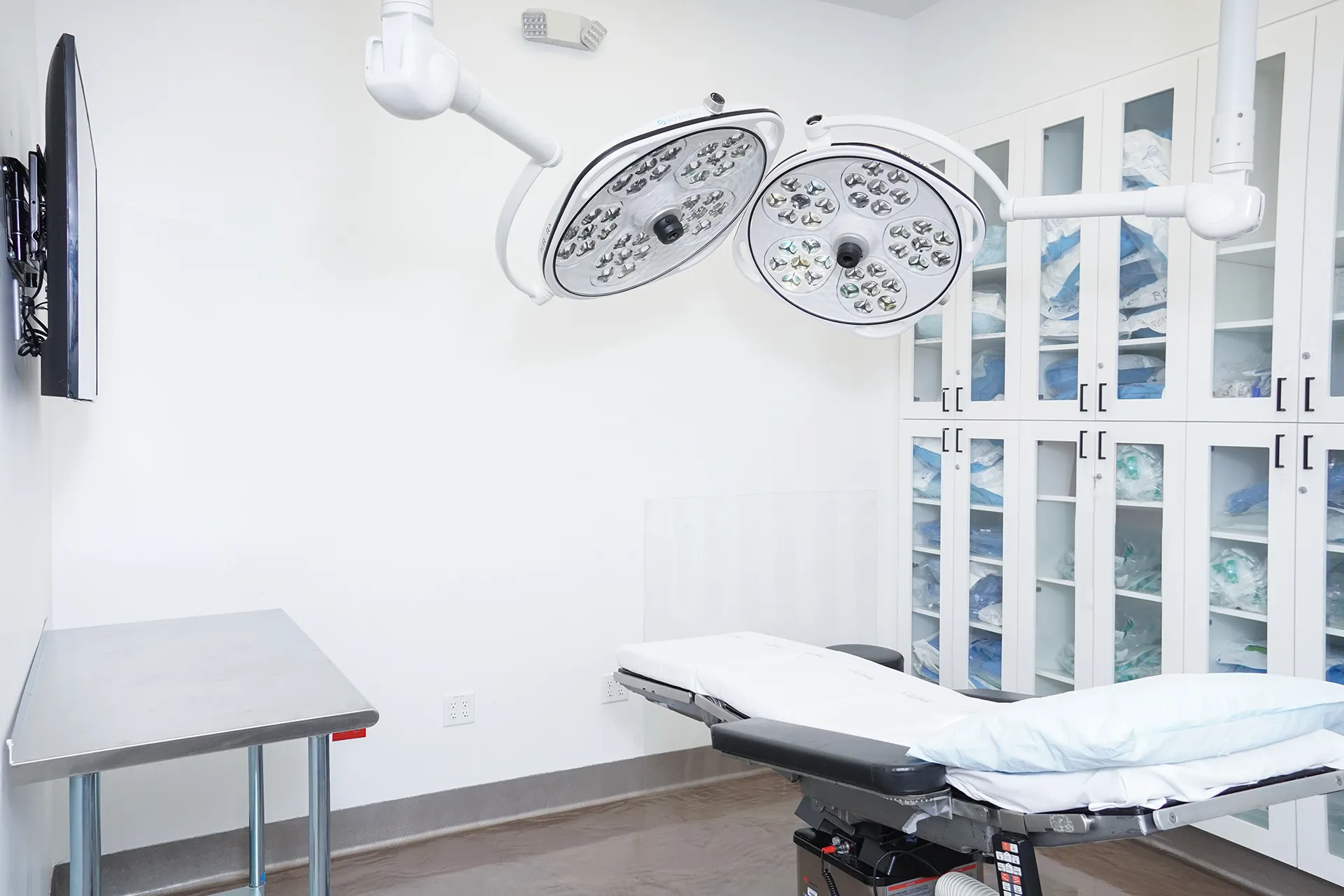
Fat transfer for male patients uses liposuction to harvest unwanted fat — typically from the abdomen or flanks — and reinjections it to enhance areas that lack definition or volume. Because the tissue is your own, results are natural and free from implant concerns. At Surgical Suites of Beverly Hills, male fat transfer is performed with precision in a private, fully equipped OR.

Gallery
Each service is built around your recovery and peace of mind.
What is male fat transfer?
Male fat transfer involves harvesting fat via liposuction from a donor site, processing it, and reinjecting it into target areas such as the pectoral region, buttocks, calves, or face. The procedure is performed under general anesthesia or sedation and takes 1–3 hours depending on the sites involved. Most patients return home the same day.
- Natural-looking volume enhancement using your own tissue
- Simultaneous slimming of the donor site
- No implants — no risk of rejection or capsular contracture
- Permanent results for the fat that successfully integrates
- Versatile — applicable to chest, glutes, face, or limbs
- Minimal scarring from small liposuction access points
- Tailored to male physique and aesthetic goals
- Performed in a private, surgical suite
- Adult men with available donor fat suitable for harvest
- Patients seeking natural-looking volume in pectoral, gluteal, or other areas
- Those who want to avoid implants
- Non-smokers, or those who can stop in advance of surgery
- Men at or near their stable body weight
- Individuals in good overall health with no contraindications
- Those with realistic expectations about fat survival rates
- Adults who have received a consultation and surgical clearance
Your day from start to finish
Four straightforward steps from consultation to recovery
Schedule your consultation
Meet with your surgeon and discuss your goals
Pre-operative preparation
We guide you through testing and instructions
Day of surgery
Arrive early, settle in, and let our team handle the rest
Recovery and follow-up
Rest in our dedicated recovery space before heading home
Why surgical suites of Beverly hills
We don't just provide operating rooms. We provide a complete surgical experience backed by accreditation, skilled staff, and a commitment to your safety that runs through every hour you're with us.
Accredited facility with proven standards
Experienced team focused on your care
Transparent pricing and insurance coordination
Ready to move forward?
Give us a call. We're here to help.

FAQs
Common questions about this service and what to expect.
Post-operative follow-up is coordinated through your surgeon's office. Our team supports you through recovery.
Cosmetic fat transfer is not covered by health insurance.
Liposuction access incisions are tiny (3–4 mm) and placed discreetly. They are rarely noticeable once healed.
Male fat transfer is performed under general anesthesia or IV sedation, with a board-certified anesthesiologist present throughout.
For patients with sufficient donor fat, fat transfer can provide natural-looking pectoral enhancement without implants. Results are typically more subtle than implants. Your surgeon will help you understand the realistic outcome for your anatomy.
Common applications for male patients include pectoral enhancement, gluteal augmentation, calf augmentation, facial volume restoration, and correction of contour depressions. Your surgeon will advise what's appropriate based on your anatomy and goals.
Approximately 50–70% of transferred fat integrates permanently. Your surgeon plans for this during the procedure.
Recovery depends on the donor and recipient sites. Donor areas (liposuction) involve 1–2 weeks of soreness and compression garment use. Recipient areas may be tender and swollen for 2–4 weeks. Final results emerge at 3–6 months.
Still have questions?
Reach out to our team for more information.