
Breast Reconstruction
Expert surgical care

A significant surgical milestone — handled with the care it deserves
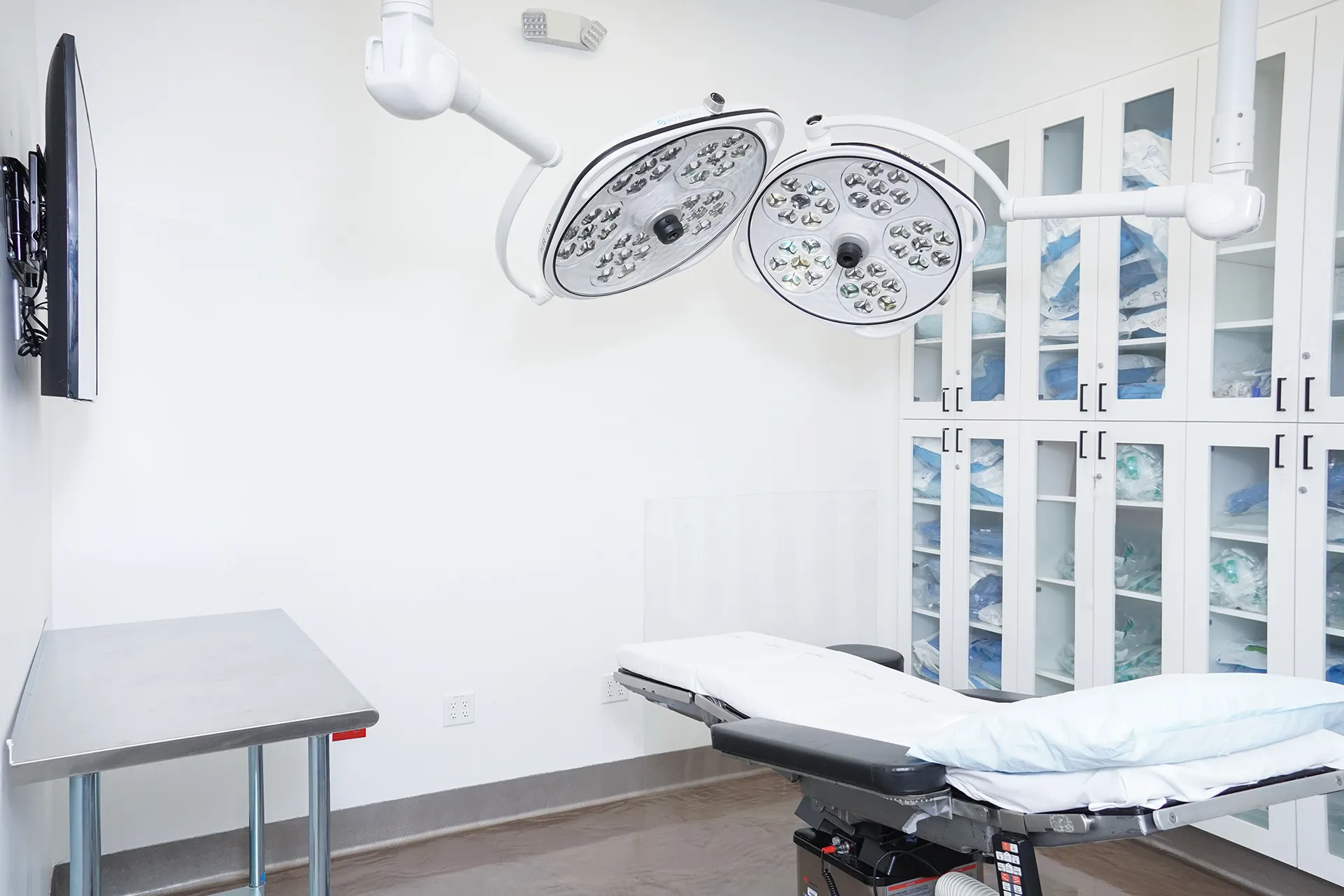
Breast reconstruction following mastectomy or injury is one of the most meaningful procedures a patient can undergo. At Surgical Suites of Beverly Hills, reconstruction is performed in a fully equipped private OR with a dedicated team experienced in complex breast surgery. We provide the clinical environment and surgical infrastructure your surgeon needs for this important work.

Gallery
Each service is built around your recovery and peace of mind.
What is breast reconstruction?
Breast reconstruction restores the shape of the breast following mastectomy, lumpectomy, or injury. Techniques include implant-based reconstruction (tissue expander followed by permanent implant), autologous reconstruction using the patient's own tissue (such as TRAM or DIEP flap), or a combination of both. Timing and technique are determined by your surgical team based on your cancer treatment plan, anatomy, and goals. Surgery is performed under general anesthesia and may involve one or more stages.
- Restoration of breast shape and symmetry following mastectomy
- Multiple technique options tailored to your anatomy and health history
- Improved body image and psychological well-being post-cancer treatment
- Can be performed immediately (at mastectomy) or delayed
- Autologous options use your own tissue for a natural feel
- Implant-based options offer a shorter initial surgery
- Coordinated care between oncology and surgical teams
- Performed in a private, surgical suite
- Patients who have undergone or are planning a mastectomy or lumpectomy
- Individuals whose oncologist has cleared them for reconstructive surgery
- Those in good overall health able to tolerate general anesthesia
- Patients who have been counseled on all reconstruction options
- Non-smokers, or those who can stop smoking in advance of surgery
- Those at a stable weight and without uncontrolled chronic conditions
- Patients who understand reconstruction may require multiple stages
- Those who have received a detailed consultation with their reconstructive surgeon
Your day from start to finish
Four straightforward steps from consultation to recovery
Schedule your consultation
Meet with your surgeon and discuss your goals
Pre-operative preparation
We guide you through testing and instructions
Day of surgery
Arrive early, settle in, and let our team handle the rest
Recovery and follow-up
Rest in our dedicated recovery space before heading home
Why surgical suites of Beverly hills
We don't just provide operating rooms. We provide a complete surgical experience backed by accreditation, skilled staff, and a commitment to your safety that runs through every hour you're with us.
Accredited facility with proven standards
Experienced team focused on your care
Transparent pricing and insurance coordination
Ready to move forward?
Give us a call. We're here to help.

FAQs
Common questions about this service and what to expect.
Post-operative follow-up is coordinated through your surgical team. Our facility works closely with your surgeon to ensure continuity throughout your recovery and subsequent stages.
Recovery varies by technique. Implant-based reconstruction typically involves 2–4 weeks of limited activity. Autologous flap reconstruction requires a longer recovery — typically 4–6 weeks. Your surgeon will provide a personalized plan.
Federal law (the Women's Health and Cancer Rights Act) requires most group health plans to cover breast reconstruction following mastectomy. Our team can help you understand your coverage and coordinate accordingly.
Breast reconstruction at our facility is performed under general anesthesia, administered by a board-certified anesthesiologist throughout the procedure.
Yes — modern reconstructive techniques produce natural-looking, proportionate results. Nipple and areola reconstruction can be performed as a final stage if desired.
Implant-based reconstruction uses a tissue expander and then a permanent implant to restore breast shape. Flap reconstruction uses your own tissue — from the abdomen, back, or other donor sites — to create a new breast mound. Your surgeon will recommend the best approach for your anatomy and goals.
This varies by technique. Implant-based reconstruction typically involves two stages — tissue expander placement followed by implant exchange. Autologous reconstruction may require one longer surgery. Additional refinements are sometimes performed as a final stage.
Immediate reconstruction begins at the time of mastectomy, preserving skin and reducing the number of surgeries required. Delayed reconstruction takes place after cancer treatment is complete. Timing is determined by your oncology and surgical team based on your treatment plan.
Still have questions?
Reach out to our team for more information.