

Lipedema
Lipedema is a recognized medical condition causing painful, disproportionate fat accumulation. Surgical coverage is growing — with the right documentation, approval is achievable.
What "medically necessary" actually means
Insurance covers a procedure when it's deemed medically necessary — meaning it treats a documented functional impairment, not a cosmetic concern. To qualify, your insurer will typically require that conservative treatments have already been attempted and failed before approving surgery.
What counts as conservative treatment depends on the procedure, but commonly includes:
Because lipedema coverage is newer and less standardized than other procedures, the conservative treatment record needs to be especially complete. Most insurers expect 6–12 months of consistent, documented non-surgical management before considering surgical authorization.
- Compression garments — worn consistently, with documentation of frequency and provider involvement
- Manual lymphatic drainage (MLD) — regular sessions with a certified therapist
- Complete decongestive therapy (CDT) program
- Dietary and lifestyle modifications as directed by a treating physician
- Documentation of pain, mobility limitation, or psychological impact
- Lipedema staging confirmed by a physician familiar with the condition — Stage II or higher typically required
What your surgeon documents matters
Your surgeon's notes need to show the functional impact — not just the diagnosis. Difficulty breathing, pain, restricted movement, or vision obstruction are the kinds of documented outcomes that support a medical necessity determination.

Insurance coverage for lipedema surgery
Coverage for lipedema surgery varies significantly by plan and state. Some insurers now recognize it under reconstructive or medical necessity criteria; others still classify surgical treatment as cosmetic. Verifying your specific plan's position before pursuing authorization is an essential first step.
Because coverage standards are still evolving, the documentation package for lipedema cases needs to be more comprehensive than most. Your surgeon and treating physician should jointly document the diagnosis criteria, stage, symptom severity, conservative treatment timeline, and clinical rationale for surgical intervention. A detailed letter of medical necessity adds significant weight to the authorization request.
If your insurer denies coverage, an appeal is often worth pursuing — the landscape is shifting, and denials issued a year ago are sometimes overturned with updated clinical evidence.
Confirming your coverage

Step one
Work with your surgeon to name the procedure and diagnosis clearly.

Step two
Pull together your insurance card, medical records, and any imaging or test results.

Step three
Submit your information for benefits verification and pre-authorization if your plan requires it.

Step Four
We'll confirm your deductible status, coinsurance percentage, and any out-of-pocket costs so there are no surprises on surgery day.

Step 5
Meet with your surgeon to confirm the procedure name, diagnosis code, and clinical reasoning for coverage review.

Step 6
Gather your insurance card, member ID, recent medical records, imaging reports, and any prior treatment summaries.
Ready to move forward?
Give us a call. We're here to help.

The difference is in the details
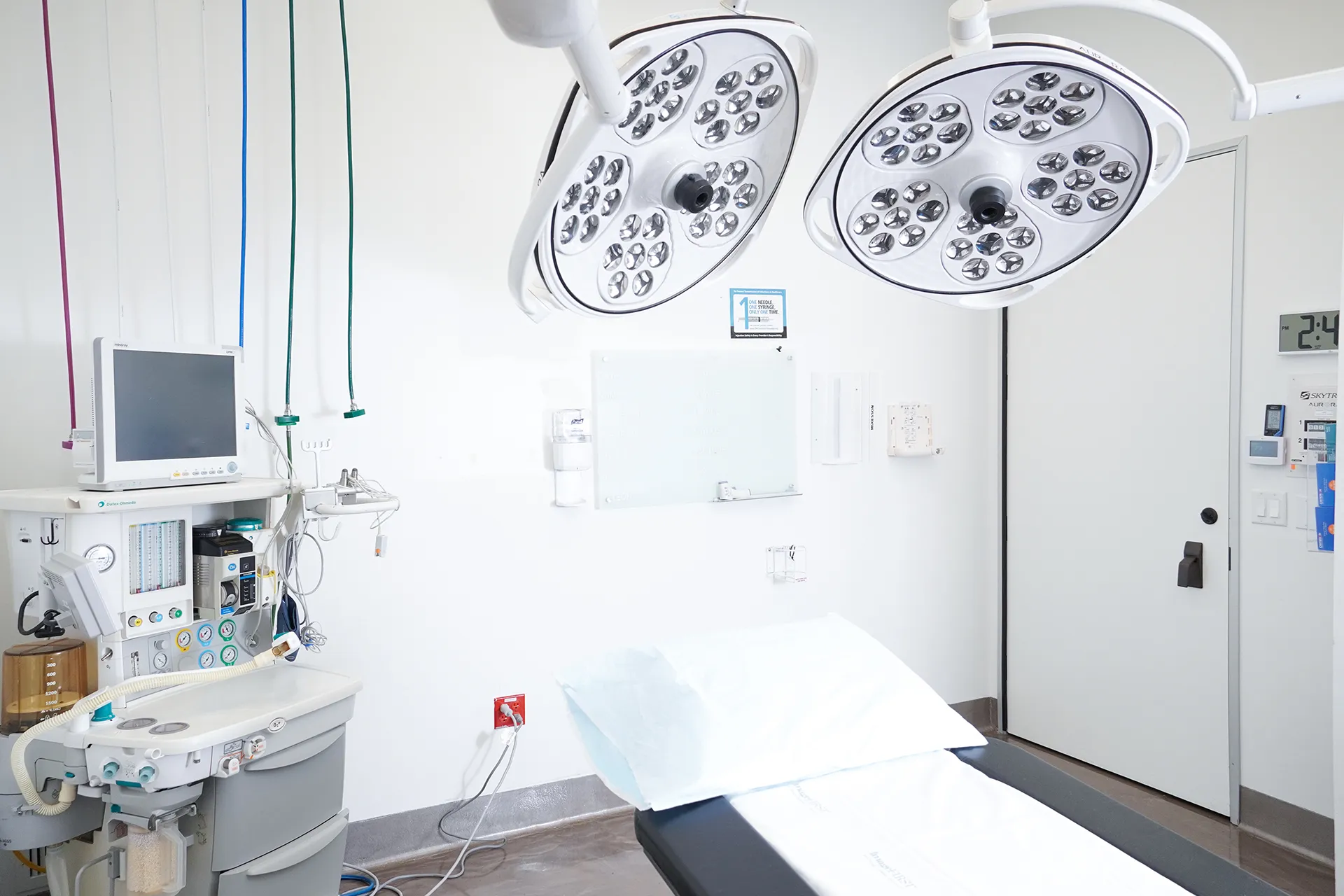
We don't just provide operating rooms. We provide a complete surgical experience backed by accreditation, skilled staff, and a commitment to your safety that runs through every hour you're with us.
Accredited facility with proven standards
Experienced team focused on your care
Transparent pricing and insurance coordination
Questions
Find answers to the most common questions about insurance.
An appeal is often worth pursuing, especially with a strong letter of medical necessity and supporting clinical documentation. The coverage landscape for lipedema is shifting — denials issued a year ago are sometimes overturned with updated clinical evidence and a peer-to-peer review.
Most plans expect 6–12 months of consistent conservative management. This means compression garments worn regularly and manual lymphatic drainage with a certified therapist — not occasional or informal treatment. Frequency, duration, and provider involvement all need to be on record.
Most insurers that do cover lipedema surgery require Stage II or Stage III with documented conservative treatment failure. Stage I is less commonly approved absent significant functional impairment. Staging must be confirmed by a physician familiar with lipedema.
Coverage through Medicare and Medicaid varies by state and is still developing. Some state Medicaid programs have begun covering lipedema treatment. Your surgeon's office can help verify current coverage in your state before you pursue authorization.
Still have questions?
Our team is ready to help.
Verify your coverage
Submit your information and we'll help confirm eligibility.