

Scar Revision with Functional Restriction
Scar tissue that restricts movement, causes chronic pain, or creates a contracture limiting daily function qualifies as medically necessary. Coverage is available when impairment is documented.
What "medically necessary" actually means
Insurance covers a procedure when it's deemed medically necessary — meaning it treats a documented functional impairment, not a cosmetic concern. To qualify, your insurer will typically require that conservative treatments have already been attempted and failed before approving surgery.
What counts as conservative treatment depends on the procedure, but commonly includes:
Insurance requires documented evidence that conservative scar management was attempted before approving surgical revision. The duration and consistency of treatment matters — a documented 3–6 month trial is typically expected.
- Scar massage — documented frequency and duration
- Silicone sheeting or gel application over the scar
- Compression garments for hypertrophic or keloid scars
- Corticosteroid injections into the scar tissue
- Physical therapy for contractures affecting joint range of motion
- Objective range of motion measurements documenting functional restriction
What your surgeon documents matters
Your surgeon's notes need to show the functional impact — not just the diagnosis. Difficulty breathing, pain, restricted movement, or vision obstruction are the kinds of documented outcomes that support a medical necessity determination.

Insurance coverage for scar revision
Insurance covers scar revision when the scar is causing documented functional restriction — not for cosmetic improvement. The origin of the scar matters: trauma, prior surgery, and burns are more likely to meet medical necessity criteria than scars from cosmetic procedures. Range of motion measurements are the most objective evidence in these claims — your surgeon's documentation should include baseline measurements, a description of limitations, and a record of what conservative treatments were tried and for how long.
Functional and cosmetic components must be clearly separated in the procedure plan. Insurance covers the functional correction only; any cosmetic improvements are coded and billed separately.
Confirming your coverage

Step one
Work with your surgeon to name the procedure and diagnosis clearly.

Step two
Pull together your insurance card, medical records, and any imaging or test results.

Step three
Submit your information for benefits verification and pre-authorization if your plan requires it.

Step Four
We'll confirm your deductible status, coinsurance percentage, and any out-of-pocket costs so there are no surprises on surgery day.

Step 5
Meet with your surgeon to confirm the procedure name, diagnosis code, and clinical reasoning for coverage review.

Step 6
Gather your insurance card, member ID, recent medical records, imaging reports, and any prior treatment summaries.
Ready to move forward?
Give us a call. We're here to help.

The difference is in the details
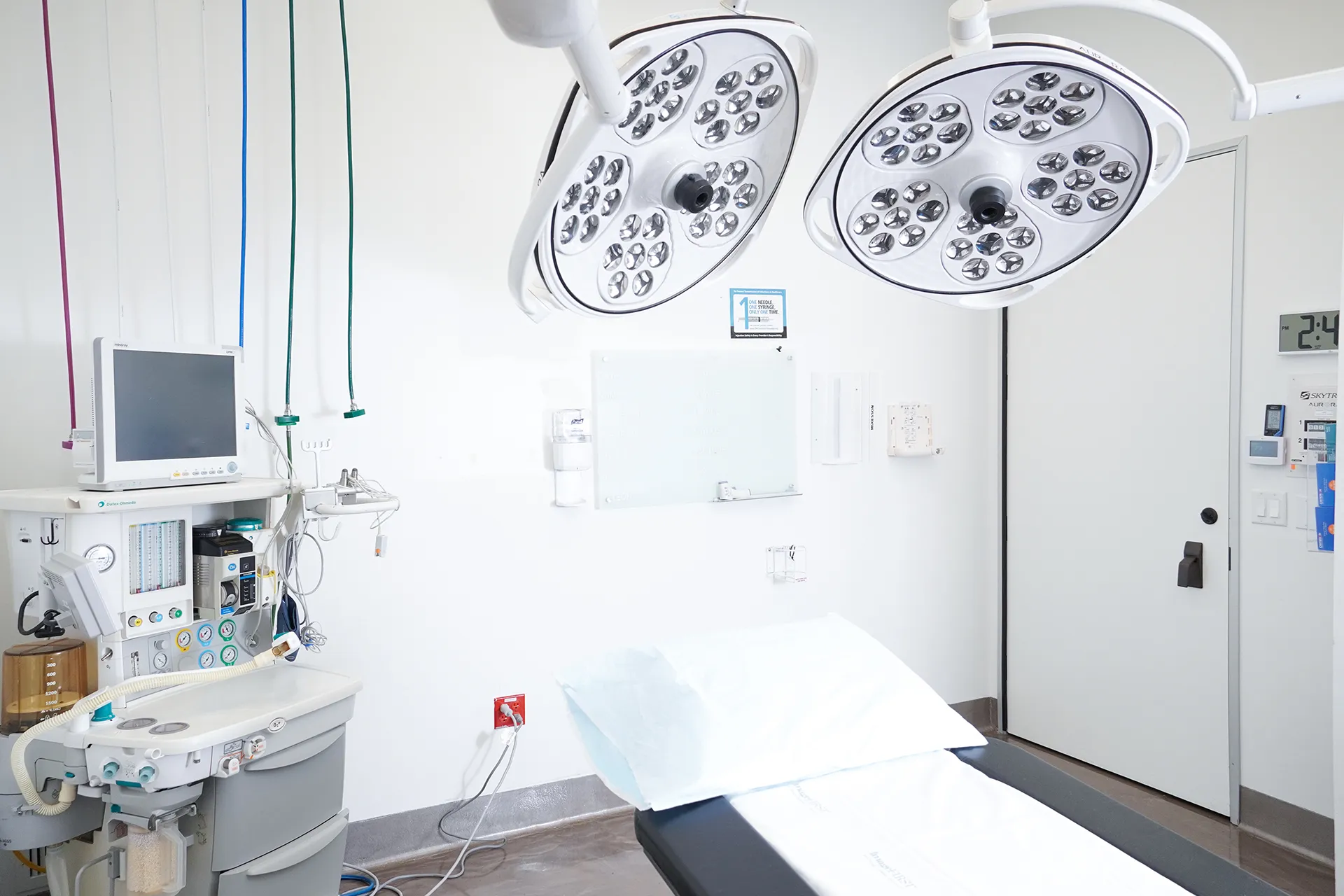
We don't just provide operating rooms. We provide a complete surgical experience backed by accreditation, skilled staff, and a commitment to your safety that runs through every hour you're with us.
Accredited facility with proven standards
Experienced team focused on your care
Transparent pricing and insurance coordination
Questions
Find answers to the most common questions about insurance.
Yes, but they must be coded and billed separately. Insurance covers the functional correction only. Cosmetic improvements are the patient's financial responsibility and require separate documentation in the procedure plan.
Most insurers expect a documented trial of conservative management — typically 3–6 months of scar therapy. The specific requirements depend on your plan and the severity of the functional restriction. Your surgeon will advise on what's needed for your case.
Generally no. Coverage requires documented functional impairment — restricted range of motion, joint involvement, or chronic pain. Purely cosmetic scar revision is considered elective and is not covered by most plans.
Yes. Scars from trauma, prior surgery, or burns are more likely to meet medical necessity criteria than scars from cosmetic procedures. Your surgeon will document the origin as part of the claim — it directly affects how the insurer evaluates the request.
Still have questions?
Our team is ready to help.
Verify your coverage
Submit your information and we'll help confirm eligibility.