

Gynecomastia with Pain + Endocrine Evaluation
Gynecomastia surgery is covered when enlarged male breast tissue causes documented pain and an endocrine evaluation has been completed.
What "medically necessary" actually means
Insurance covers a procedure when it's deemed medically necessary — meaning it treats a documented functional impairment, not a cosmetic concern. To qualify, your insurer will typically require that conservative treatments have already been attempted and failed before approving surgery.
What counts as conservative treatment depends on the procedure, but commonly includes:
Insurance distinguishes symptomatic gynecomastia from cosmetic gynecomastia. Coverage requires a completed endocrine evaluation and documented evidence that non-surgical management was considered before pursuing surgery.
- Endocrine evaluation — hormone panels including testosterone, estrogen, LH, FSH, and thyroid function
- Endocrinologist review to rule out secondary hormonal causes
- Medication review and adjustment — discontinuing or substituting drugs known to cause gynecomastia where possible
- Trial of hormonal therapy if clinically indicated by endocrine findings
- Documented pain history over time — typically 12+ months for adult patients
- Clinical notes confirming glandular tissue composition, not simply excess fat
What your surgeon documents matters
Your surgeon's notes need to show the functional impact — not just the diagnosis. Difficulty breathing, pain, restricted movement, or vision obstruction are the kinds of documented outcomes that support a medical necessity determination.

Insurance coverage for gynecomastia surgery
Coverage for gynecomastia surgery requires two things: documented breast pain and a completed endocrine evaluation. Procedures performed solely for cosmetic improvement — without documented pain or medical workup — will not qualify. The endocrine evaluation is the cornerstone of this claim. Your surgeon and endocrinologist need to jointly document the clinical picture, including symptom duration, hormonal findings, and the rationale for surgical management.
Once the workup is complete, your surgeon compiles the full documentation package and submits for prior authorization. Plans with clear medical necessity criteria typically review these cases within 5–10 business days.
Confirming your coverage

Step one
Work with your surgeon to name the procedure and diagnosis clearly.

Step two
Pull together your insurance card, medical records, and any imaging or test results.

Step three
Submit your information for benefits verification and pre-authorization if your plan requires it.

Step Four
We'll confirm your deductible status, coinsurance percentage, and any out-of-pocket costs so there are no surprises on surgery day.

Step 5
Meet with your surgeon to confirm the procedure name, diagnosis code, and clinical reasoning for coverage review.

Step 6
Gather your insurance card, member ID, recent medical records, imaging reports, and any prior treatment summaries.
Ready to move forward?
Give us a call. We're here to help.

The difference is in the details
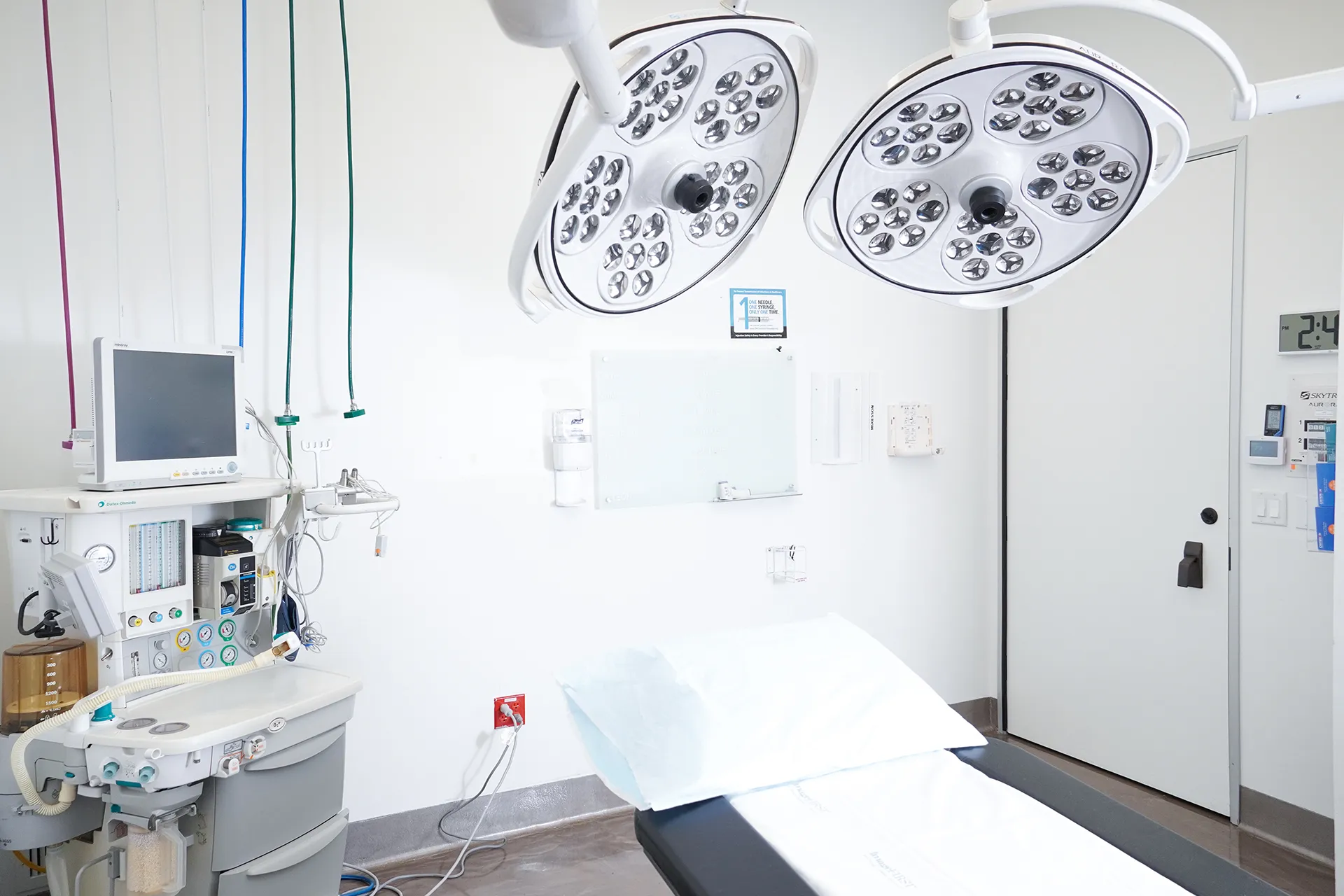
We don't just provide operating rooms. We provide a complete surgical experience backed by accreditation, skilled staff, and a commitment to your safety that runs through every hour you're with us.
Accredited facility with proven standards
Experienced team focused on your care
Transparent pricing and insurance coordination
Questions
Find answers to the most common questions about insurance.
No. The surgical approach and outcome are the same regardless of how the procedure is billed. The clinical focus is on tissue removal — the cosmetic result reflects your surgeon's skill, not the billing pathway.
The endocrine workup, documentation, and prior authorization process typically takes 4–8 weeks. Your surgeon's office will guide you through each step and track the authorization status once it's submitted.
Typically a panel of hormone tests — testosterone, estrogen, LH, FSH, and thyroid function. An endocrinologist review is often included to rule out secondary causes. Your primary care physician can initiate the workup and refer you if needed.
Generally no. Cosmetic gynecomastia without documented pain or a secondary medical cause does not meet medical necessity criteria for most plans. Coverage requires both physical symptoms and a completed endocrine evaluation — not one alone.
Still have questions?
Our team is ready to help.
Verify your coverage
Submit your information and we'll help confirm eligibility.